
Adding a human approval step does not automatically make an AI workflow dependable. The person reviewing an output needs to understand the task, inspect the relevant evidence, and have a practical way to correct or reject it. Otherwise, review can become a formality.
Give the reviewer something to inspect
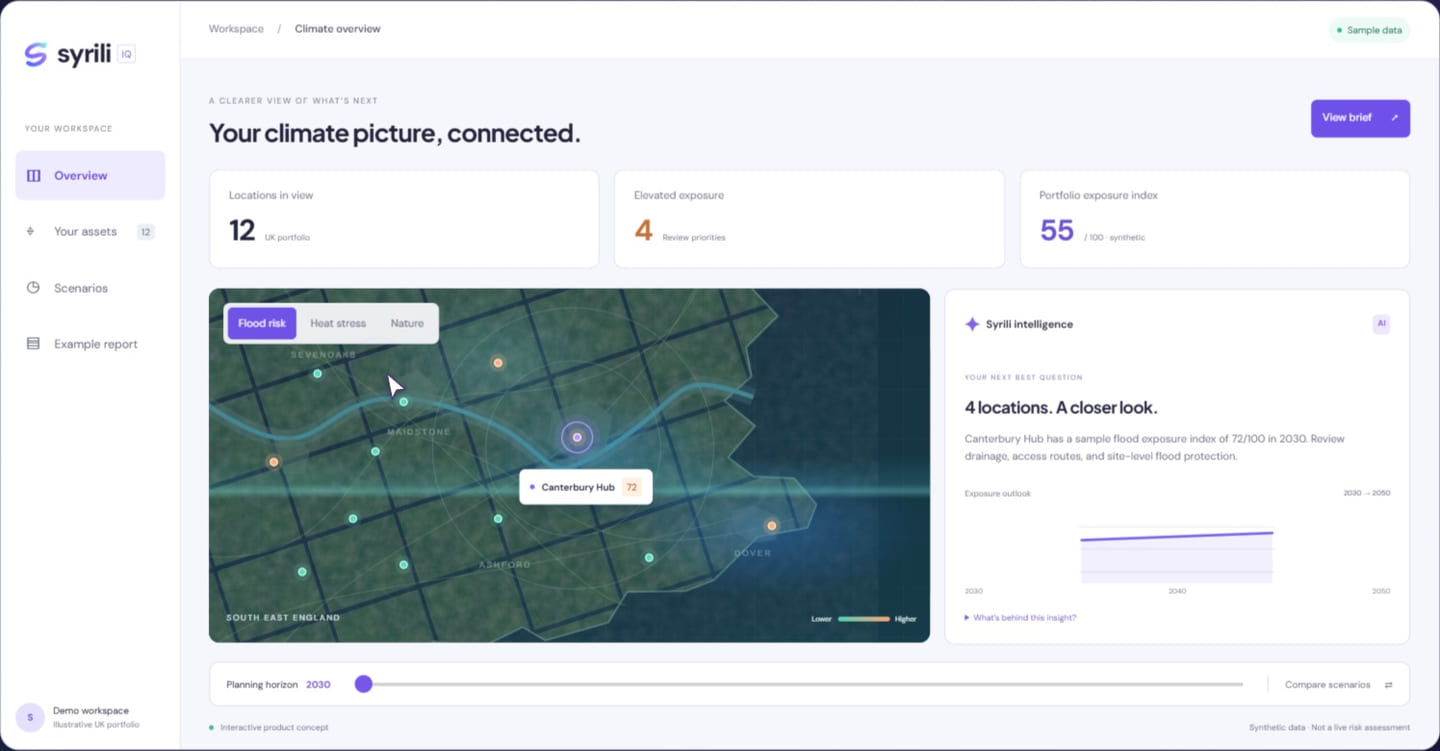
Show sources, assumptions, uncertainty, and the reason an item was surfaced. A confident sentence or a coloured score alone is a weak basis for review. Where possible, make it easy to move from a summary to the underlying evidence. Distinguish what the model generated from what was retrieved directly from a verified record.
Define the reviewer’s role
Different tasks require different expertise. Checking an address is not the same as interpreting a climate projection or assessing a building’s vulnerability. Specify which decisions the reviewer can make and when specialist input is needed. Allow enough time and avoid an interface that nudges users to approve everything without scrutiny.
Learn from disagreement
Corrections can reveal systematic weaknesses in data, prompts, or the surrounding process. Record the reason for a correction when appropriate, and use aggregated lessons to improve evaluation. The aim is not to remove all disagreement. It is to make disagreement informative and to preserve responsibility for the eventual decision.
Three things to take away.
- Review requires evidence, not only an approval button.
- Match the reviewer’s expertise to the task.
- Treat corrections as information about the workflow.
Further reading
Explore the underlying topics through these reference sources.